

Most failed apps don't fail because the code was bad. They fail because the founder spent nine months and most of a seed round building version one, then discovered on launch day that nobody wanted the thing in that shape. If you are planning an MVP for 2027, the cheapest decision you can make is the one you make before anyone writes code.
Start with the one thing your user does
Write one sentence: "A [specific person] opens the app to [do one thing] in under a minute." If you need the word "and" in that sentence, you have two apps. Pick the one that matters. Every other feature is a candidate for version two.
A food-logging app, for example, needs to log a meal fast. It does not need social feeds, a recipe store and a coach chat on day one. Those come after you know people log meals at all.
The three-bucket scope exercise
Put every feature idea on a sticky note, then sort into three piles:
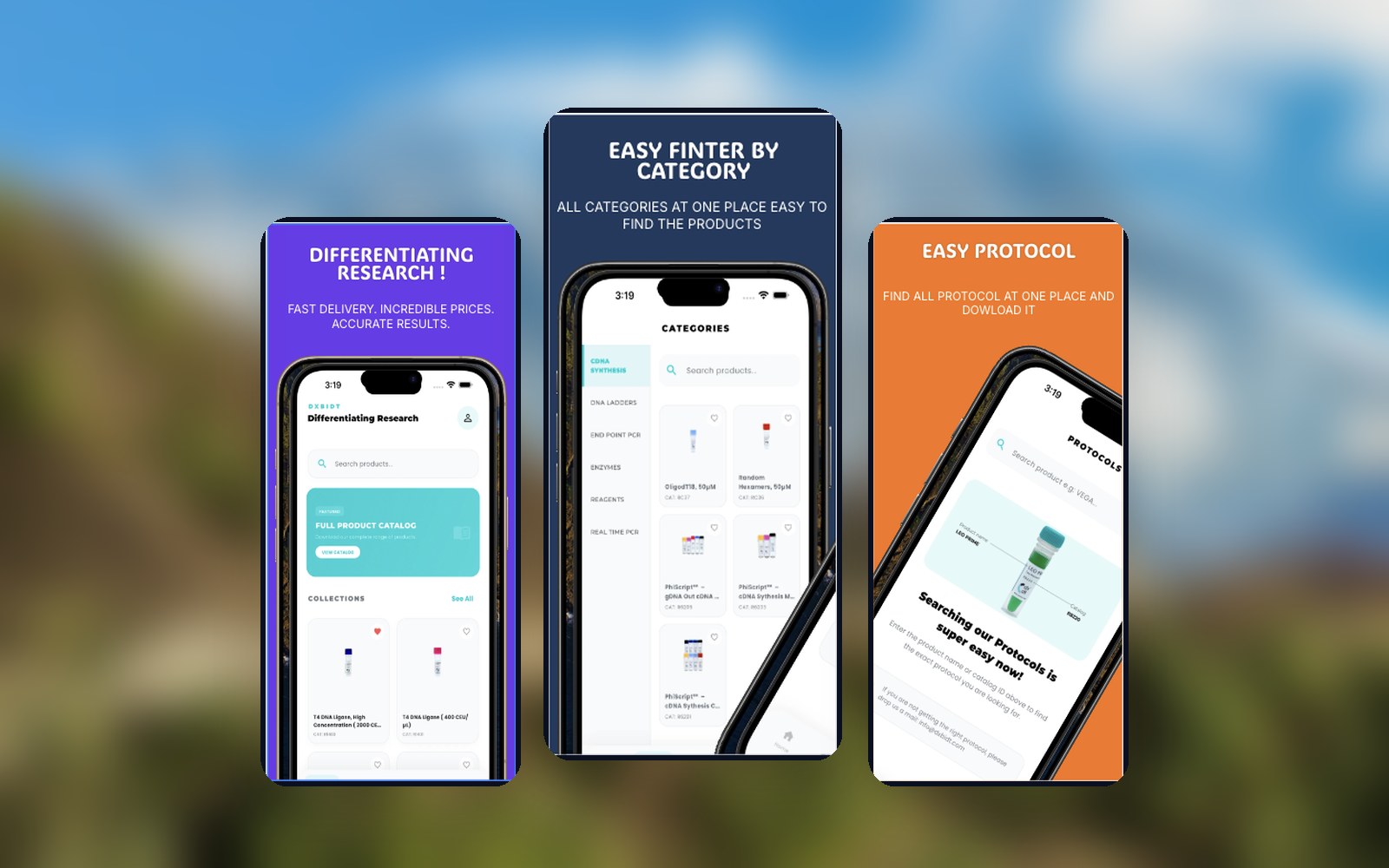
- Must exist or the app is pointless. Usually 3 to 5 items.
- Makes it nicer. Push to version two.
- Sounds impressive in a pitch. Delete, honestly.
Founders resist the third pile. Investors rarely care about it as much as they care about retention in the first one.
Where the money actually goes
| Phase | Typical share of budget | Where founders over- or under-spend |
|---|---|---|
| Discovery and design | 15 to 20% | Under-spend. A tested prototype saves rework later. |
| Build | 50 to 60% | Over-spend by adding features mid-sprint. |
| QA and polish | 10 to 15% | Skipped, then paid for in one-star reviews. |
| Launch and first fixes | 10% | Forgotten entirely. |
These are rough shares from projects we've worked on, not a rule. Your mix will shift with the product.
Cheap ways to cut cost without cutting quality
- One codebase. Flutter or React Native for iPhone and Android unless you have a hardware-heavy reason not to. See our 2027 framework comparison.
- Buy, don't build, the boring parts. Auth, payments, email and push should be off-the-shelf services.
- Prototype first. A clickable design tested with five real users catches expensive mistakes in a day.
- Weekly demos. If you see a working build every Friday, scope creep becomes visible before it becomes expensive.
What "done" looks like for an MVP
Done is not "feature complete". Done means a stranger can download the app, finish the core task, and you can see that it happened. That requires basic analytics, crash reporting and a way to contact support. Teams skip those and then argue about whether the MVP "worked" with no data.
A realistic 2027 budget conversation
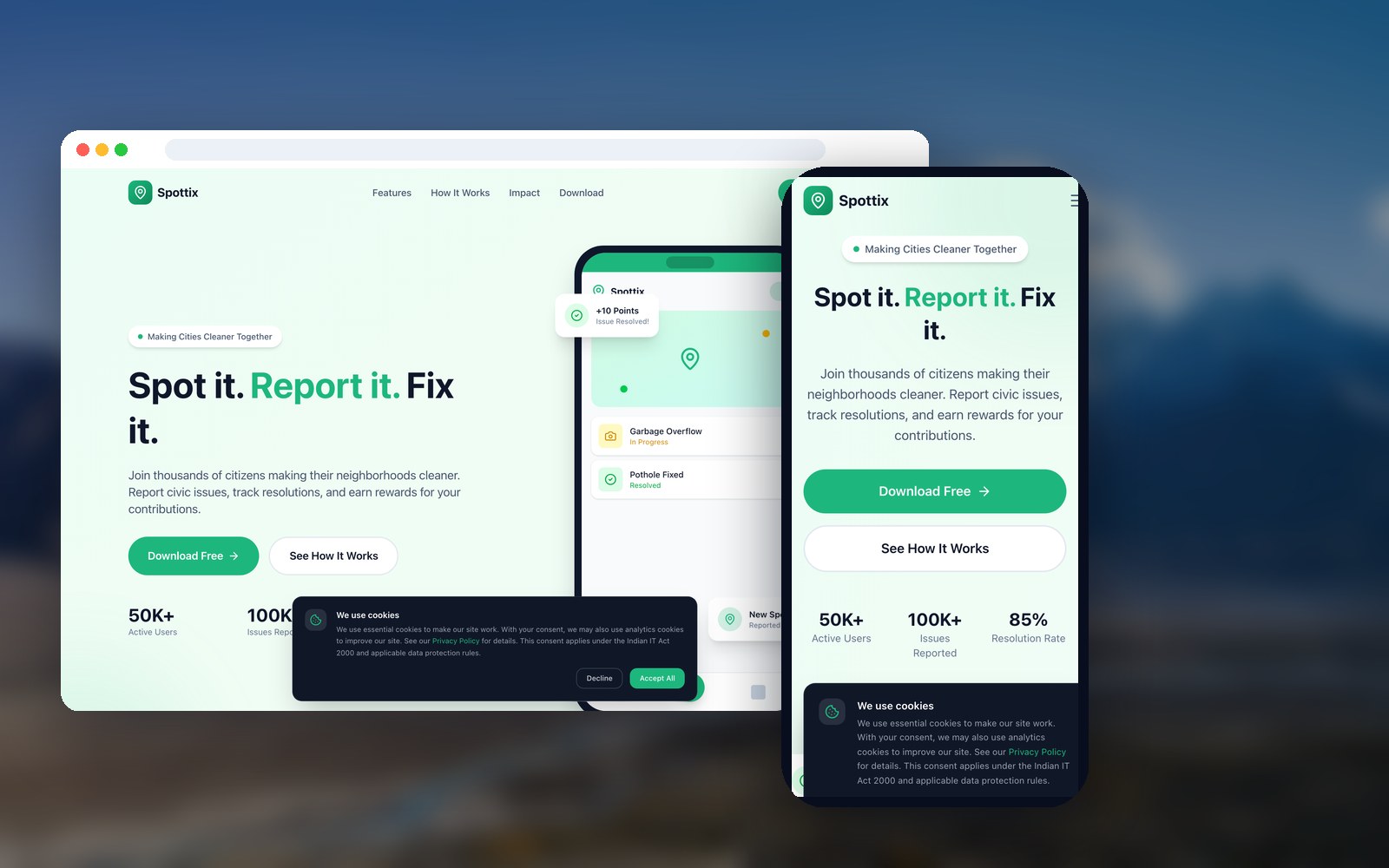
For a US founder working with an experienced offshore team, a focused MVP with us typically costs about $2,000 to $5,000 for a simple version, up to roughly $10,000 for a fuller one, while the same scope at a US agency can cost many times that. Neither number is "right". The right number is a written scope with a price attached. Our USA vs India cost comparison goes line by line.
FAQ
How long should an MVP take?
Eight to twelve weeks is typical for a well-scoped first version. Longer usually means the scope is too big, not that the team is being careful.
Should I build iOS or Android first?
Match your users. In the US, many consumer and prosumer products start on iPhone. Business and international products often need Android from day one. Read our iOS vs Android guide.
Can I raise money before building?
Sometimes, with a strong prototype and early demand signals. A working MVP with real users usually wins a better valuation than slides.
Plan your MVP with us
We help US founders scope an MVP, test a prototype and ship in weeks. Read about our work with US startups or get a fixed-scope estimate.
Topics: MVP development 2027 · startup app · seed round · app budget
Keep reading
Startups · 4 min read
MVP App Development for US Startups: Timeline, Budget and What to Build First
Launch in 8 to 12 weeks: what to build, what to cut, what it costs in USD and the mistakes that sink first versions.
Digital Marketing · 4 min read
Digital Marketing for a New Website or App: What to Set Up First
Ads waste money when the website or app is not ready. Here is the order we use: product, search, landing page, then paid campaigns.