

"Should we build for iPhone or Android first?" is one of the first questions every US founder asks, and one of the easiest to answer badly. The usual advice, "iOS first, because Americans have iPhones," is true often enough to be dangerous. Your answer depends on your audience, your business model and your budget.
This guide gives you a clear way to decide, and explains when you can sidestep the question entirely.
The US market in one paragraph
In the United States, iPhones account for a larger share of smartphone use than they do in most of the world, and iPhone users tend to spend more on apps and subscriptions. Android is still used by a very large number of Americans, especially in some age groups, income brackets and regions, and it dominates globally. Exact shares change from year to year, so check a current source such as Statcounter or Pew Research before you finalize a decision.
When to start with iOS
- Your audience skews iPhone. Many US consumer, creator, fitness, finance, premium and professional-services audiences do.
- Monetization matters early. Subscriptions and in-app purchases generally perform well on iOS.
- You want fewer device variations to test. Apple's device and OS range is narrower, which reduces testing effort.
- You are targeting investors or press who mostly use iPhones.
When to start with Android
- Your audience is price-sensitive or global. Android dominates many international markets.
- You rely on deep device integration such as custom hardware, background services or widgets.
- Your users are in industries that issue Android devices, like logistics, field service and retail handhelds.
- You want a quick, open distribution path with sideloading or enterprise deployment.
Or skip the choice: go cross-platform
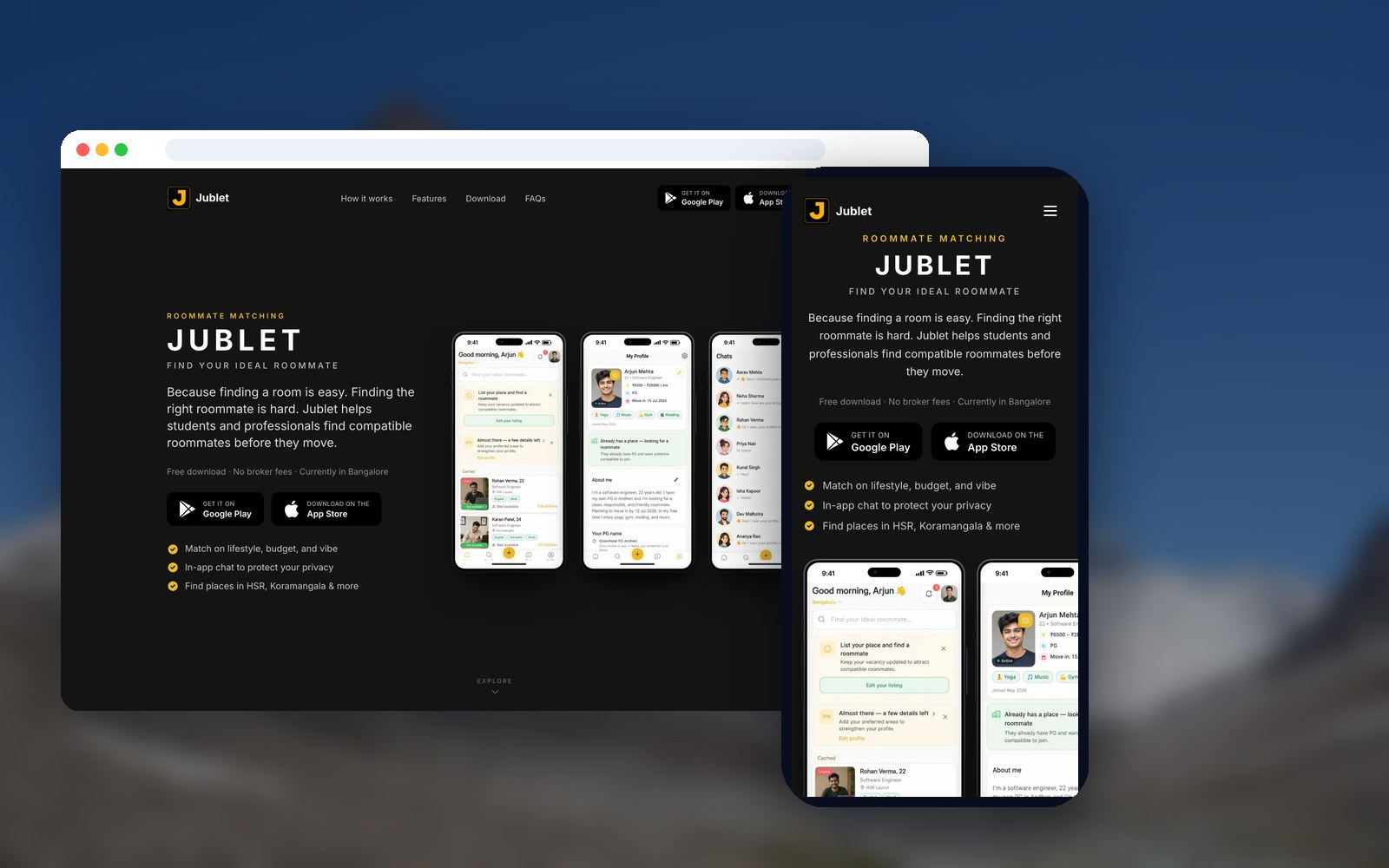
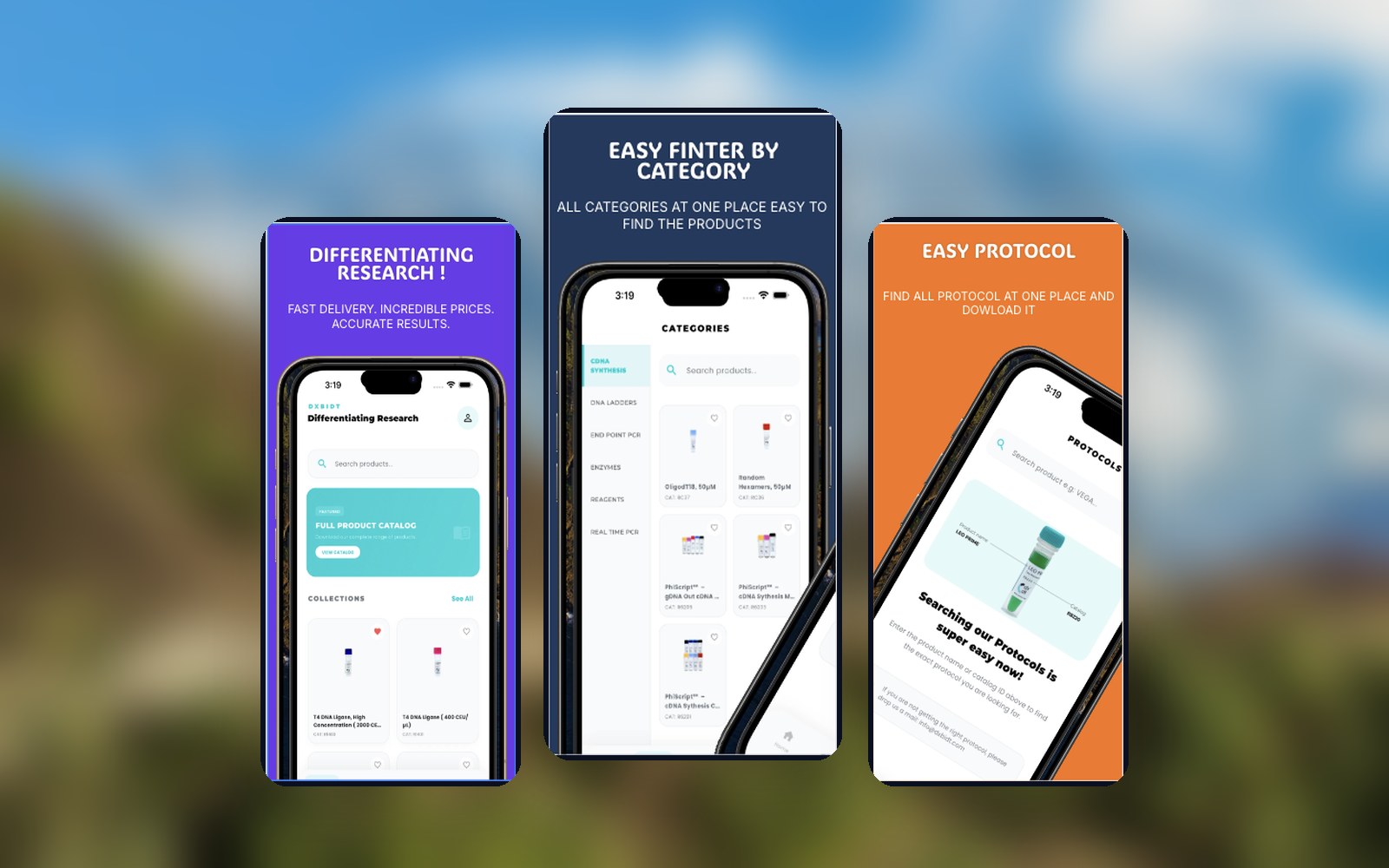
For most startups, the best answer is neither. A cross-platform framework such as Flutter or React Native builds both apps from one codebase, so you launch on both and the extra cost for the second platform is modest. You can still use the iPhone for your first marketing push, while Android users are not left out.
| Approach | Cost | Speed | Best for |
|---|---|---|---|
| iOS only (native Swift) | Lower than two native apps | Fast | iPhone-heavy audiences, premium products |
| Android only (native Kotlin) | Lower than two native apps | Fast | Global, price-sensitive or device-specific products |
| Cross-platform (Flutter or React Native) | Moderate | Fast for both | Most startups and business apps |
| Two native apps | Highest | Slowest | Performance-critical or hardware-heavy products |
Learn how to choose between the two main frameworks in Flutter vs React Native, and when native is worth it in native vs cross-platform apps.
Store differences US founders should know
- Review process. Apple's review is stricter and can reject apps for design, payment or privacy issues. Google's is usually faster but has its own policy checks.
- Fees. Apple charges an annual developer fee, Google a one-time registration fee, and both take a commission on digital purchases within their rules.
- In-app purchases. Digital goods and subscriptions sold in an iOS app generally must use Apple's payment system, subject to evolving rules and exceptions in the US. Read the latest guidelines before you design your pricing.
- Privacy disclosures. Both stores require accurate privacy information in the listing.
- Testing. TestFlight for iOS and internal or closed testing for Android make it easy to share early builds.
Our launch checklist walks through both submissions.
A simple decision guide
- Who are your first 1,000 users? Check which platform they use, by survey or data.
- How will you make money? If subscriptions, lean iOS or cross-platform.
- Do you need special hardware or background features? Consider native on that platform.
- Is your budget tight? Choose cross-platform and launch both.
- Do you need to learn fast? Launch one platform quickly, then expand.
FAQ
Is it really cheaper to build one codebase?
Usually yes. Shared code means you design, build, test and maintain features once. Costs still depend on the scope. See our cost guide.
Do I need a mobile app at all?
Sometimes a responsive web app or progressive web app is enough to validate an idea. Choose an app when you need push notifications, offline use, device features or store discovery.
Can I add the second platform later?
Yes. Backend, design and learnings carry over, but a native-first approach means building the second app from scratch.
Need a recommendation for your idea?
Tell us your audience and business model, and we will recommend a platform strategy honestly. Request a free estimate or see our mobile app development services.
Topics: iOS vs Android · app launch strategy · cross-platform · US market
Keep reading
Digital Marketing · 4 min read
Digital Marketing for a New Website or App: What to Set Up First
Ads waste money when the website or app is not ready. Here is the order we use: product, search, landing page, then paid campaigns.
Growth · 4 min read
Mobile App User Acquisition Cost: What an Install Really Costs and Which Platform Is Cheaper
How app user acquisition cost works, Android vs iOS, cheaper ways to get users and a simple paid test.