
Searching for the best mobile app development companies in the USA returns pages of "Top 10" lists, and most of them are paid placements. A ranking you cannot verify will not protect your budget. What does is a shortlist you build yourself, with the same ten tests applied to every company.
This guide gives you that method: who actually builds apps for US startups, how each type of company prices its work, a scorecard you can fill in during calls, and the red flags that should remove a company from your list immediately.
The short answer
The best mobile app development company for you is the one that has shipped apps like yours, shows you the people who will do the work, gives a written fixed scope and price, and hands over the source code and store accounts at the end. For a US startup that usually means comparing three types of company: a US agency, a nearshore team and an offshore team. Quality varies more inside each type than between them.
The three types of company on every "Top 10" list
| Type | Typical MVP cost | Strength | Watch out for |
|---|---|---|---|
| US agency | $60,000 to $250,000+ | Same time zone, strategy and design depth | Price; junior staff billed at senior rates |
| Nearshore (Latin America, Canada) | $30,000 to $100,000 | Overlapping hours, good English | Smaller bench; rates rising |
| Offshore (India, Eastern Europe) | $2,000 to $40,000 | Cost per engineering hour | Communication and process, which you must test |
These are market ranges, not offers. We explain the gap in how much it costs to build an app in the USA and compare the models in offshore vs onshore app development.
The 10-point scorecard
Score each company from 0 to 2 on each line, and keep the sheet. A company that scores under 14 out of 20 is not a top choice, whatever list it appears on.
- Relevant shipped apps. Live apps in the App Store or Google Play in your category, not mockups. Download them and use them.
- Named team. You meet the lead engineer and designer before you sign, and they are not replaced after kickoff.
- Written fixed scope. A document listing screens, features and what is excluded, with a price for each milestone.
- Source code ownership. The contract assigns all code, designs and accounts to you on payment.
- Store accounts in your name. The Apple Developer and Google Play accounts belong to your company from day one.
- Weekly working builds. You install a real build every week or two. If you only see slides, stop.
- Security and privacy habits. They can explain how they handle data, secrets and compliance such as a mobile app security checklist.
- Testing and launch support. Automated tests, a beta round, and help through store review. See why apps get rejected.
- Post-launch plan. A clear price for maintenance and updates, as in yearly app maintenance.
- Honest answers. They tell you what to cut, what is risky and when a smaller first version is smarter.
Red flags that remove a company from your list
- A quote in one email with no questions about your users or business model.
- No access to past clients you can speak to.
- A price far below every other quote, with scope that quietly shrinks later.
- Pressure to pay most of the project up front.
- The agency owns the store accounts or keeps the code until final payment disputes are settled.
How to get to a shortlist in one week
- Write a one-page brief: the problem, the main user flow, three must-have features, your budget range and your launch date.
- Collect five companies from different sources: referrals, review platforms such as Clutch, and your own search.
- Send the same brief to all five and compare the questions they ask back. Good teams ask more than they answer.
- Run a 30-minute call with each and fill in the scorecard.
- Ask the top two for a paid discovery week or a small paid prototype before committing to the full build.
Where Himalya NextGen fits
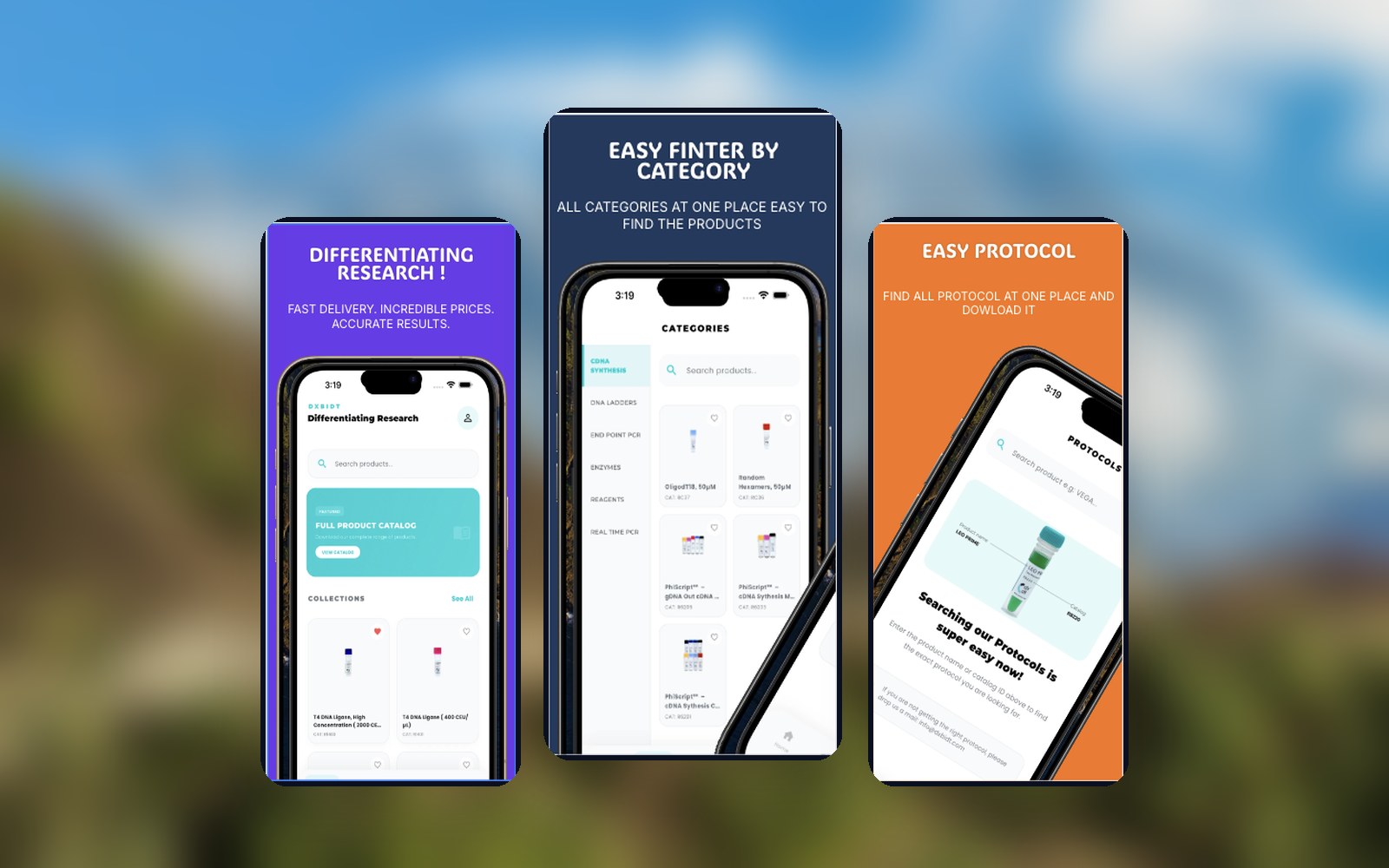
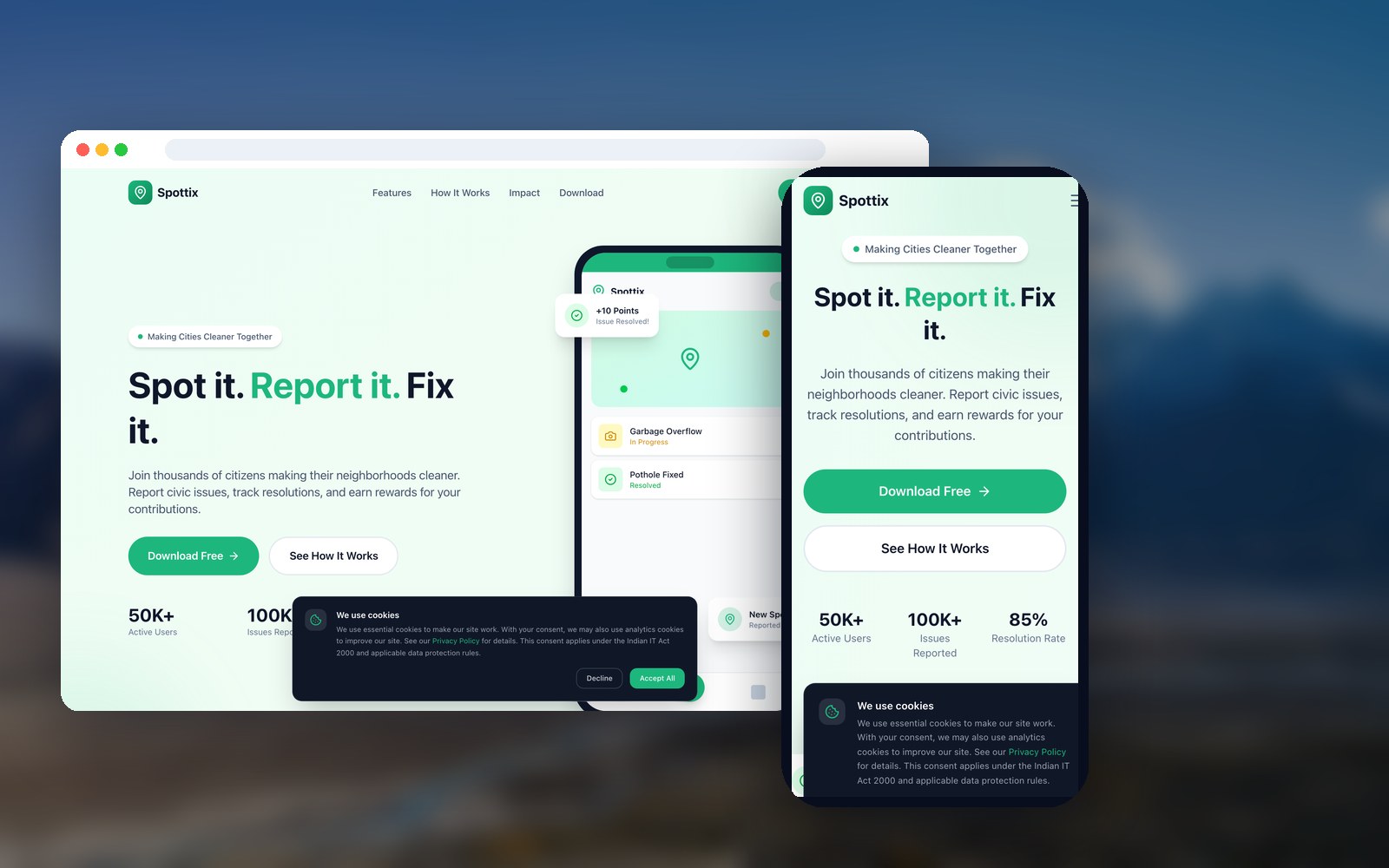
We are an India-based team that builds iOS and Android apps for founders in the US and elsewhere. We work from a written fixed scope, show a working build every week, and put the code and store accounts in your name. A focused MVP with us usually costs $2,000 to $5,000, and a fuller one with payments and an admin dashboard $5,000 to $10,000. We are one option on your list, so score us on the same sheet. See apps we have built or request a fixed-scope estimate.
FAQ
Who is the best mobile app development company in the USA?
There is no single best company. The best one for you has shipped apps similar to yours, gives a written fixed scope and price, and transfers the code and store accounts to you. Use a scorecard and compare at least three companies.
How much does a top US app development company charge?
US agencies commonly quote $60,000 to $250,000 or more for an MVP, nearshore teams $30,000 to $100,000, and offshore teams from about $2,000 for a focused MVP. Scope drives the number more than location.
Are "Top 10" app development company lists reliable?
Treat them as a starting point only. Many lists are sponsored or based on self-submitted data. Verify live apps, speak to past clients and check the contract terms yourself.
Should I choose a company in my own city?
Only if you value in-person meetings. Most app work is remote, and process, communication and relevant experience predict success better than location.
How long does it take to build an app with an agency?
A focused MVP usually takes 8 to 12 weeks from signed scope to store submission. Read how long an MVP takes for the breakdown.
Topics: best mobile app development companies USA · top app development companies · hire app developers · app development agency
Keep reading
Hiring · 4 min read
Top 10 Mobile App Development Companies in India (2027): How to Shortlist the Best
How to shortlist the top mobile app development companies in India, what they charge in 2027 and the questions that reveal a serious team.
Hiring · 4 min read
Offshore vs Nearshore vs Onshore App Development in 2027
A plain comparison of onshore, nearshore and offshore app teams for US companies: cost, time zones, risk and when each one is the right call.